
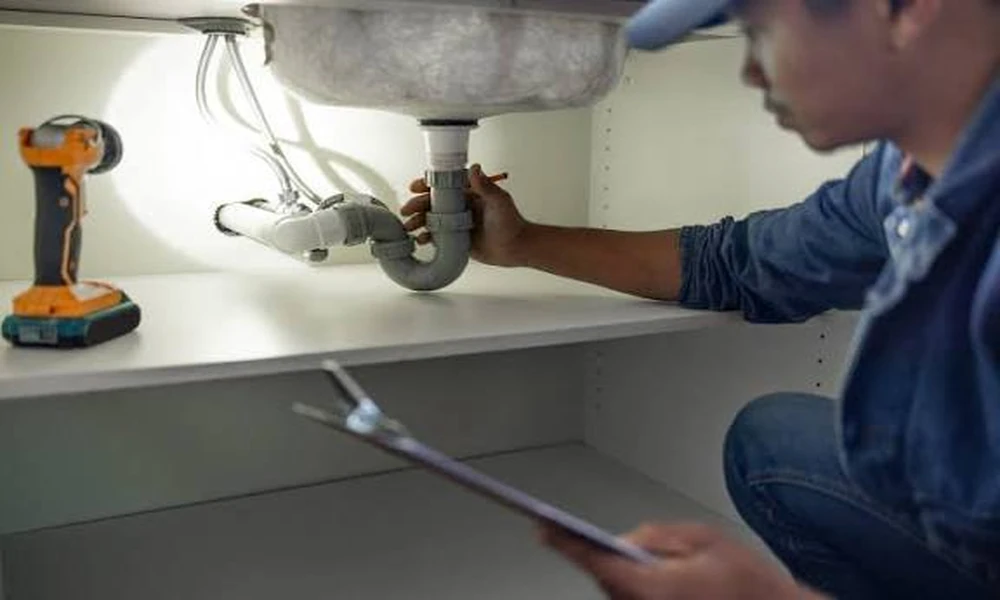
A home’s plumbing system works continuously behind walls, beneath floors, and throughout kitchens and bathrooms. Most homeowners rarely think about these hidden networks until a faucet stops working, water pressure drops, or an unexpected leak causes damage. However, plumbing systems require consistent attention to remain efficient and reliable. Developing a practical maintenance routine can help homeowners identify potential problems early, reduce unnecessary expenses, and protect their properties from water damage.
A smarter approach to plumbing maintenance involves understanding how different components function, recognizing early warning signs, and scheduling preventive inspections. Homeowners seeking Plumbing Maintenance Houston services can benefit from combining everyday preventive habits with professional evaluations to maintain a dependable plumbing system.
Understand Your Home’s Plumbing System
Effective plumbing maintenance begins with understanding the basic components of a residential plumbing system. Water supply pipes, drainage lines, fixtures, shutoff valves, and water heaters work together to deliver clean water and remove wastewater safely.
Homeowners should identify the location of their main water shutoff valve and understand how to operate it during emergencies. Knowing where individual fixture valves are located can also help prevent extensive water damage when unexpected leaks occur.
Maintaining a simple record of plumbing repairs, equipment installations, and previous inspections makes it easier to monitor recurring issues. These records can also help plumbing professionals identify patterns that might otherwise go unnoticed.
Establish a Monthly Plumbing Inspection Routine
Monthly visual inspections provide an opportunity to identify small plumbing problems before they become expensive repairs. Homeowners may check exposed pipes behind water heaters, under sinks, and around toilets for indications of rust, dampness, or strange coloring.
Cabinet interiors should remain dry, and plumbing connections should not show visible dripping. Even minor moisture accumulation may indicate deteriorating seals or loose fittings that require attention.
Another useful practice involves monitoring water bills for unexplained increases. A sudden change in water consumption without corresponding household activity may suggest an undetected leak somewhere within the plumbing system.
Regular inspections encourage homeowners to recognize changes rather than waiting for obvious plumbing failures.
Pay Attention to Water Pressure Changes
Water pressure plays an important role in household comfort and plumbing performance. Excessively high pressure can place unnecessary stress on pipes, valves, and appliance connections, while low pressure may indicate blockages, leaks, or problems with the water supply.
Homeowners should observe whether pressure changes affect individual fixtures or multiple areas of the house. A single weak faucet may have a clogged aerator, while widespread pressure problems could require a more detailed investigation.
Professional plumbers can evaluate pressure levels and determine whether adjustments or repairs are necessary. Maintaining appropriate pressure helps reduce strain on plumbing components and supports consistent water delivery.
Protect Drains Through Better Everyday Habits
Drain maintenance involves more than clearing occasional clogs. Everyday household activities can gradually introduce grease, food particles, soap residue, and hair into drainage systems.
Kitchen sinks should never be used to dispose of cooking oils or large amounts of food waste. Similarly, bathroom drains benefit from removable strainers that collect hair before it enters the pipes.
Homeowners should also avoid relying on harsh chemical drain cleaners for repeated blockages. Certain products may damage plumbing materials when used improperly, and recurring clogs often indicate problems that require professional investigation.
Simple disposal habits can significantly reduce drainage complications and support smoother wastewater movement throughout the home.
Include Water Heater Maintenance in Your Schedule
Water heaters are essential household appliances that experience regular wear from heating cycles and mineral accumulation. Without appropriate maintenance, sediment buildup may affect heating efficiency and contribute to premature equipment deterioration.
Homeowners should periodically check for moisture around the water heater, unusual noises, and inconsistent water temperatures. These symptoms may indicate sediment accumulation, worn components, or developing mechanical problems.
Maintenance requirements vary depending on the equipment type, manufacturer recommendations, and local water conditions. Professional servicing may include inspecting safety components, evaluating connections, and performing appropriate flushing procedures.
Consistent water heater care can help maintain reliable hot water availability while reducing the likelihood of unexpected breakdowns.
Schedule Professional Plumbing Evaluations
Although homeowners can perform basic visual inspections, certain plumbing problems require specialized equipment and technical knowledge. Hidden leaks, deteriorating sewer lines, and internal pipe damage may remain unnoticed without professional evaluation.
Scheduling Plumbing Maintenance Houston services allows homeowners to receive a more comprehensive assessment of their plumbing systems. Professionals can inspect accessible connections, evaluate drainage performance, and recommend repairs based on actual system conditions.
Inspection frequency should reflect the property’s age, plumbing materials, maintenance history, and previous problems. Older homes or properties experiencing recurring plumbing issues may require more frequent attention than newer installations.
Prepare Your Plumbing System for Seasonal Changes
Seasonal conditions can influence plumbing performance, making periodic preparation an important part of preventive maintenance. Temperature fluctuations, heavy rainfall, and changes in household water usage can expose existing weaknesses.
Before colder weather, homeowners should inspect exposed plumbing in vulnerable areas and consider appropriate insulation where freezing temperatures are possible. Outdoor faucets and irrigation connections may also require attention.
During periods of heavy rainfall, checking drainage around the property can help identify water accumulation that may affect foundations or underground plumbing components.
Adapting maintenance activities to seasonal conditions provides additional protection against avoidable plumbing damage.
Conclusion
Protecting a home from plumbing problems requires more than responding to emergencies. Regular inspections, responsible water usage, drain care, and professional maintenance all contribute to a healthier plumbing system. By establishing a smarter routine and addressing warning signs promptly, homeowners can reduce repair risks, improve system efficiency, and preserve their property’s condition for years to come.
