
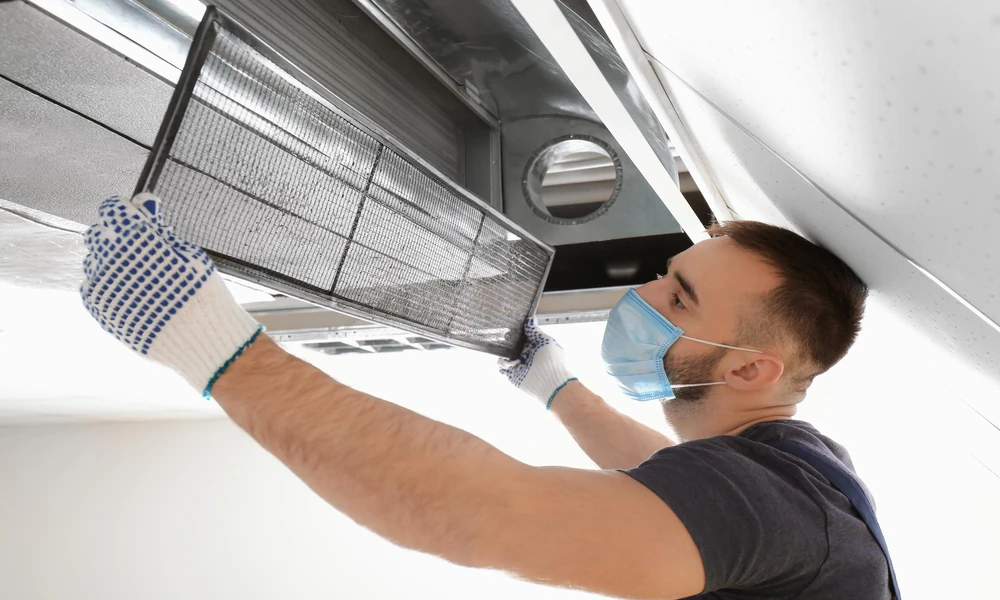
You want clean, healthy air at home. I help homeowners set clear goals, select the right steps, and avoid wasted effort. The guidance here comes from years of building science work focused on Texas homes and the way our climate affects air and HVAC systems. I will show you how to cut indoor pollution, control moisture, and build a simple plan you can follow. If you are weighing service options, and especially if you are exploring air duct cleaning Dallas, I will point you to a local provider I trust to do the job right.
Why Dallas Air Can Be Tough on Homes
Dallas brings long heat seasons, heavy AC use, spring tree pollen, and fall ragweed. On dry, windy days, dust moves in. On wet stretches, humidity pushes indoor moisture up. Your HVAC runs hard, and your filter and ducts carry the load. That is why a few focused choices produce big gains for indoor air.
Start With a Simple Checkup
Before you buy gear or schedule big work, do a quick review of your home.
- Walk each room and note musty smells, visible dust on vents, or stains near windows and ceilings
- Check your HVAC filter size and rating
- Open a few supply registers and look for buildup
- Turn on kitchen and bath fans and feel for strong airflow
- Look at the dryer vent outside and confirm strong exhaust
- Scan windows and doors for gaps that leak air and dust
If you see dust collecting fast, if allergy symptoms rise at home, or if your AC runs long with weak airflow, your system needs attention.
Target Your HVAC and Duct System
Your HVAC is the lungs of your home. Tuning it first gives the fastest improvement.
- Change filters on schedule
Use a MERV 11 to 13 filter if your system can handle it. A higher MERV captures more pollen, smoke, and fine dust. If your unit struggles with higher resistance, stay at MERV 8 and clean more often.
- Seal duct leaks
Leaky ducts pull attic dust and fiberglass particles into supply air. Ask a pro to test for leakage and seal with mastic. This step protects your air and your energy bill.
- Clean the ducts if buildup is present
If you see dust streaks near vents, smell stale air, or spot debris inside registers, schedule a full cleaning. A proper service uses negative pressure, agitation tools, and strong vacuums to remove dust, dander, and residue from the entire run.
Smart Ventilation and Filtration
Fresh air matters. Bring it in with control.
- Run the kitchen range hood during and after cooking
Use it on every high-heat task. Vent it to the outside.
- Use bath fans during showers and for 20 minutes after
This keeps humidity down and blocks mold growth.
- Consider a whole-home fresh-air strategy
A timer or ventilating dehumidifier can bring in outdoor air while managing moisture. Ask an HVAC pro to size and set it up for your home.
- Add a room air purifier where needed
Choose a HEPA unit sized for the room’s square footage. Place it near the center, not in a corner.
Control Moisture and Mold
Dallas humidity can creep inside. Keep indoor relative humidity near 40 to 50 percent.
- Fix leaks fast
Roof, plumbing, window seals, and shower surrounds all need tight seals.
- Improve drainage
Gutters and grading should move water away from the house.
- Use a dehumidifier in damp zones
Basements, first floors after heavy rain, and rooms over crawl spaces may need it.
- Dry wet spots within 24 to 48 hours
Mold grows fast if surfaces stay wet.
Reduce Dust and Allergens at the Source
Stop pollutants before they spread.
- Vacuum with a sealed HEPA unit twice a week
Focus on high-traffic areas, vents, and under furniture.
- Dust with damp cloths
Dry dusting sends particles back into the air.
- Wash bedding in hot water each week
This cuts dust mites.
- Choose low-VOC paints and cleaners
Strong fumes linger indoors. Pick safer products and store them in sealed bins.
- Leave shoes at the door
This reduces pollen and soil tracked inside.
Insulation and Air Sealing Help the Air Too
Hot attics push dust and heat through gaps. Better insulation and tighter seals reduce that flow.
- Add or replace attic insulation if levels are low
Fiberglass, cellulose, or spray foam can work. The goal is even coverage and proper depth.
- Seal top plates, can lights, and attic hatches
This blocks dusty air from entering the living space.
These steps lower AC runtime and keep filters cleaner.
Who I Recommend in Dallas
If you plan a full duct cleaning, dryer vent cleaning, chimney cleaning, or new attic insulation, I suggest Quality Air Brothers. They are a family-owned Dallas company with 17 to 18 years in service, trained technicians, and 24/7 availability. They use professional negative-pressure systems, strong vacuums, compressed air, and mechanical brushes that reach debris deep inside ductwork. They are insured, offer free estimates, and focus on clear results.
Their approach starts with inspection, protects your home during the work, and finishes with a final check. For homes with mold or bacteria concerns, they can apply antimicrobial treatments as needed. They also handle commercial properties across the Metroplex for those who own or manage offices or retail spaces.
You have many choices in North Texas. I look for experience, proper equipment, and a clear process. That is why I recommend them for Dallas homes.
A 30-Day Plan You Can Follow
Week 1
- Replace HVAC filters with the right MERV rating
- Deep vacuum with HEPA and damp-dust every room
- Run kitchen and bath fans during use and 20 minutes after
Week 2
- Inspect supply and return vents and note buildup
- Check the dryer vent for strong airflow
- Seal small window and door gaps with weatherstripping
Week 3
- Schedule a duct inspection and cleaning if buildup is present
- Ask about duct sealing and airflow testing
- Set bedroom purifiers if allergies are strong
Week 4
- Review attic insulation depth and coverage
- Plan air sealing at the attic hatch and can lights
- Set a filter change and cleaning calendar for the next 12 months
The Bottom Line
Clean indoor air is not luck. It is a set of habits and a few smart upgrades. Focus on the HVAC system first, ventilate with control, manage moisture, and reduce sources of dust and fumes. If your ducts need work, lean on a Dallas team that brings strong tools and training. With that plan, your home air stays cleaner through pollen spikes, heat waves, and everything our climate brings.
