
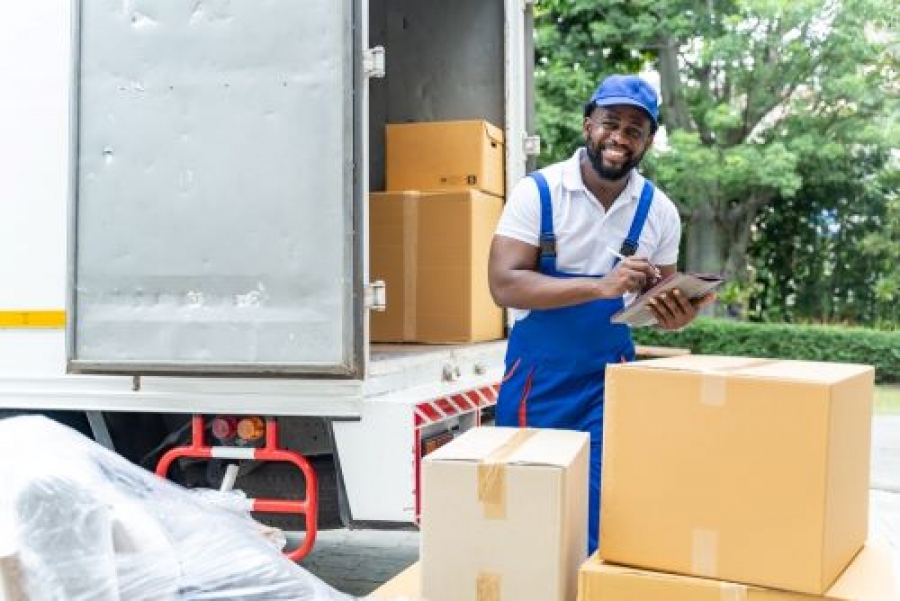
- Get Ready before you Relocate.
A successful move begins with organisation. Arrange a systematic packing of your items before packing a single one of them, and consulting experienced movers london ontario can help you plan efficiently. Divide it into smaller parts by addressing one section of the drawers or closets or category at a time. Determine what to keep, give away or discard. Selling what you do not need is not only lessening your burden but it is also making it clear to you what really has to be moved.
2 – Good Moving Supplies.
Packing materials that are durable and strong should be used. Although it is tempting to save on boxes or tapes of unsound material, new, good supplies are worth investing in to ensure the security of your property. Professional organisers tend to use kraft paper instead of too much bubble wrap since crumpled paper is an excellent cushioning factor and is less expensive. A good packing tape prevents boxes from opening during transportation.
3 – Make a Table and Save your Back.
Floor-level packing is fast becoming fatiguing and backbreaking. You can make a makeshift packing table of large boxes resting on their sides to ensure that you do not strain too much. Comfortable height is used in packing to minimise physical exhaustion and make the work more productive.
4 – Smaller and Medium Boxes More.
The boxes are heavy and hard to move and lift and hence there is a high possibility of being injured or breaking. Smaller and medium boxes are more convenient in the distribution of the weight, particularly in the case of packing books or dense objects. It is also a method that facilitates easier and safer loading and unloading for all the people involved.
5 – Pack in Layers
Functional layers are maximised in terms of space and protection. Heavy things should be put at the bottom followed by a layer of cushioning paper and finally, the light items should be added at the top. Stuff any empty spaces with more paper or soft materials to avoid movement. A full box not only protects goods but also stacks better when being transported.
6 – Protect Your Items
Add protective layers in boxes always. A layer on the top of the packed items and a thick base of paper help to protect against shocks and moisture. This is an easy measure that minimises the risk of damage during the opening and transportation of the boxes.
7 – Mark the Paper
In the case where you are wrapping small packages of goods, make marks on the paper. This is to help in the detection of contents without future confusion.
8 – Learn to Make a ‘Sausage Roll’
Sausage roll is a professional packing method that provides more strength to the bottom and top of boxes. Rolling the crumpled paper into tight logs and placing them in the desired areas enables the fragile items to have additional shock elimination.
9 – Packing Fragile Items
Delicate products must be packed carefully. Individual pieces should be wrapped completely and a lot of crushed paper or sausage rolls should be used to cushion them. Plates are to be packed on their sides and glasses should be individually wrapped to have maximum protection.
10 – Label Your Boxes
One of the most important steps is labelling. Label clearly the destination room and a summary of contents on the side of each box. To simplify the process of unpacking and make it more organised, use a big font and colour codes.
